
Soy protein fiber is gaining attention in the textile industry. This innovative material, derived from soybeans, offers a sustainable alternative to traditional fibers. With the growing demand for eco-friendly options, soy protein fiber stands out for its unique properties and benefits. It’s a great time to explore what this fiber has to offer.
One of the most appealing aspects of soy protein fiber is its sustainability. As a plant-based material, it’s made from renewable resources, which makes it an environmentally friendly choice. Unlike synthetic fibers that rely on fossil fuels, soy protein fiber is biodegradable and can break down naturally, reducing its impact on the planet. This aligns perfectly with the increasing consumer preference for sustainable fashion.
In terms of comfort, soy protein fiber has some impressive qualities. It’s soft and smooth, which makes it a delight to wear. Many people appreciate how it feels against the skin, often comparing it to cashmere or silk. This luxurious touch can elevate any garment, making it a popular choice for clothing items like sweaters and activewear. Plus, it has moisture-wicking properties, keeping the wearer dry and comfortable during various activities.
Another noteworthy feature of soy protein fiber is its strength. This fiber is known for being durable, which means garments made from it can withstand regular wear and tear. This durability is essential for anyone looking to invest in long-lasting pieces. Additionally, soy protein fiber has good elasticity, allowing garments to retain their shape over time. This means less stretching and sagging, which is always a plus.
When it comes to dyeing and printing, soy protein fiber performs quite well. The fiber absorbs dyes effectively, resulting in vibrant colors that don’t fade easily. This quality opens up creative possibilities for designers and brands looking to create eye-catching pieces. The ability to achieve rich hues adds to the appeal of garments made from soy protein fiber, making them stand out in a crowded market.
From a health perspective, soy protein fiber has some advantages too. It is hypoallergenic, making it suitable for those with sensitive skin. This property allows more people to enjoy the benefits of this fiber without worrying about irritation. For anyone seeking comfortable and skin-friendly clothing, this aspect is particularly important.
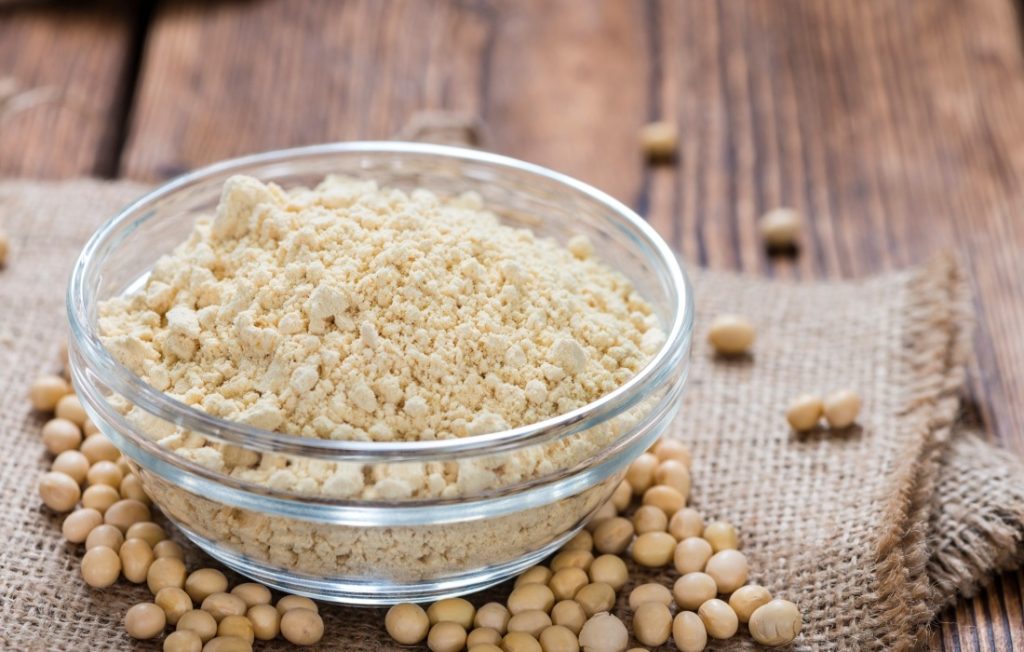
Sourcing and production of soy protein fiber are also worth mentioning. The process typically involves using by-products from the soybean industry, which means that it utilizes materials that would otherwise go to waste. This not only adds value to the production chain but also contributes to a more circular economy. Brands that choose to incorporate soy protein fiber into their collections can proudly promote their commitment to sustainability.
For those interested in incorporating soy protein fiber into their wardrobe, it’s worth looking for brands that prioritize ethical production practices. Many companies are now focusing on sustainable sourcing and environmentally friendly manufacturing processes. Supporting these brands not only helps promote sustainable fashion but also encourages more companies to adopt similar practices.
Soy protein fiber is a remarkable innovation in the world of textiles. Its combination of sustainability, comfort, durability, and vibrant color potential makes it a fantastic choice for both consumers and brands. As the fashion industry continues to evolve, materials like soy protein fiber will likely play a significant role in shaping a more sustainable future. Embracing this fiber can lead to a more stylish and eco-conscious wardrobe.