
Caring for your knee joints is essential for maintaining mobility and an active lifestyle. The knees bear a significant amount of weight and are involved in many daily activities, from walking and running to climbing stairs. Taking steps to protect these important joints can help prevent discomfort and ensure they remain healthy for years to come.
One of the most effective ways to protect your knees is to maintain a healthy weight. Extra pounds put additional stress on the knee joints, increasing the risk of injury and conditions like osteoarthritis. Adopting a balanced diet rich in fruits, vegetables, lean proteins, and whole grains can help manage weight while providing the nutrients necessary for overall joint health.
Regular exercise is another key factor in knee joint protection. Engaging in low-impact activities, such as swimming, cycling, or walking, strengthens the muscles around the knees without putting excessive strain on them. Strengthening exercises that target the quadriceps, hamstrings, and calves can provide better support for the knee joint. This added strength helps absorb shock and reduces the risk of injury during physical activities.
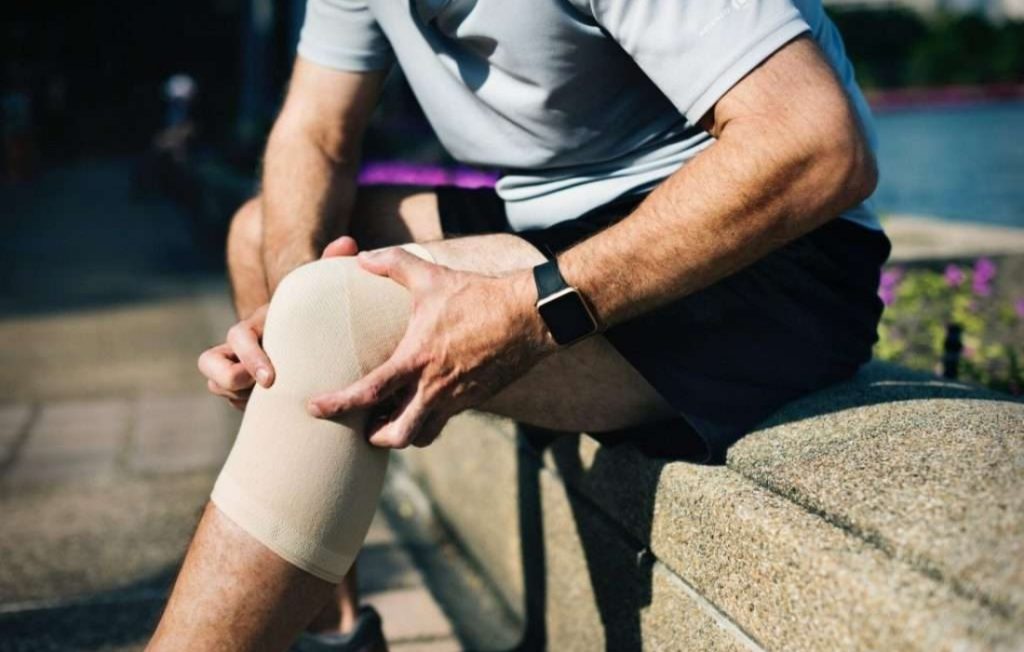
Flexibility is equally important. Incorporating stretching routines into your daily schedule helps maintain the range of motion in the knees. Simple stretches for the hamstrings, quadriceps, and calves can improve flexibility and reduce stiffness. Yoga and Pilates are excellent options for enhancing flexibility while also promoting overall body awareness and balance.
Wearing appropriate footwear can make a significant difference in knee health. Shoes that provide adequate support and cushioning help absorb impact during activities. Avoiding high heels or worn-out shoes can prevent unnecessary strain on the knees. Investing in quality footwear designed for specific activities, whether running, walking, or hiking, can also enhance comfort and reduce injury risk.
Practicing proper body mechanics during physical activities is essential for knee protection. When lifting heavy objects, bending at the knees rather than the waist helps distribute weight more evenly. Learning to move correctly during sports or exercise can significantly reduce the likelihood of knee injuries.
Listening to your body is crucial. Recognizing signs of discomfort or pain is important for preventing further injury. Taking breaks when needed and allowing time for recovery after intense activities helps protect the knees. Incorporating rest days into your routine can give your joints a chance to heal and recharge.
Staying hydrated is often overlooked but plays a vital role in joint health. Proper hydration helps keep the cartilage in the joints lubricated, allowing for smoother movement. Drinking plenty of water throughout the day can also help reduce inflammation, benefiting knee health.
Consulting with a healthcare professional can provide personalized recommendations tailored to individual needs. A physical therapist can assess your movement patterns and offer targeted exercises to strengthen the knees while addressing any specific concerns.
By incorporating these tips into your daily routine, protecting your knee joints becomes more manageable. Focusing on weight management, regular exercise, flexibility, proper footwear, and body mechanics creates a solid foundation for healthy knees. Embracing these habits not only supports knee health but also enhances overall physical activity and enjoyment in life. Taking proactive steps today can lead to healthier, happier knees tomorrow.