

Posted on Leave a comment

How Waist-Cinching Sports Dresses Can Transform Your Workout Wardrobe
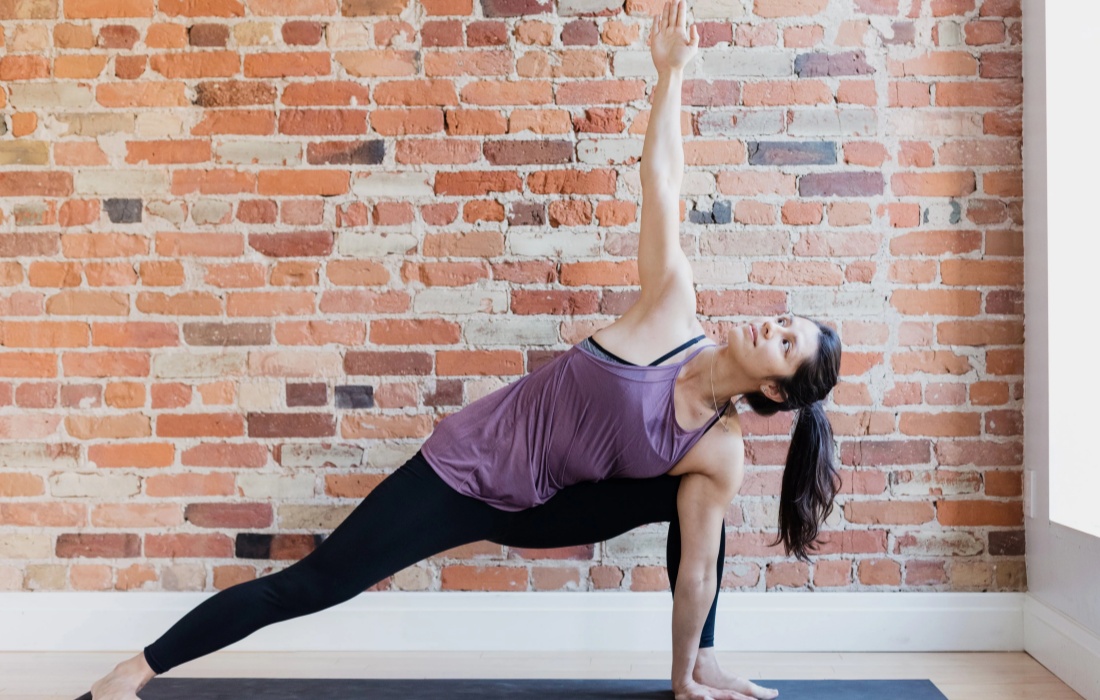
Waist-cinching sports dresses have become a popular choice for those who want to combine style with functionality during workouts. These dresses not only offer comfort but also enhance your silhouette, making them a fantastic addition to any active wardrobe. Whether you’re heading to the gym, going for a run, or enjoying a casual day out, these dresses provide versatility and flair.

One of the best features of waist-cinching sports dresses is their ability to flatter various body types. The cinched waist creates an hourglass shape, accentuating curves in a way that many traditional workout outfits don’t. This flattering fit boosts confidence, allowing you to feel great while staying active. The combination of style and functionality means you can transition seamlessly from a workout to brunch with friends, all while looking effortlessly chic.

Comfort is key when it comes to workout gear, and these dresses deliver. Made from breathable, stretchy materials, they allow for a full range of motion. Whether you’re stretching, running, or dancing, the fabric moves with you rather than against you. This flexibility is essential for any workout, making it easier to focus on your performance rather than adjusting your clothing.

Another advantage of waist-cinching sports dresses is their moisture-wicking properties. Many of these dresses are designed to draw sweat away from the body, keeping you dry and comfortable during intense workouts. This feature is especially beneficial during hot weather or high-energy activities, ensuring you stay cool while looking stylish. The quick-drying fabric means you can wash and wear without worrying about lingering odors or discomfort.

Style options are abundant when it comes to waist-cinching sports dresses. From vibrant colors to fun patterns, there’s something for everyone. Pairing these dresses with the right accessories can elevate your look even further. A stylish pair of sneakers, a chic hat, or a sporty backpack can complete the outfit while maintaining that active vibe. Mixing and matching allows for personal expression, making each outfit uniquely yours.

Caring for these dresses is straightforward, making them practical for everyday wear. Most designs are machine washable and quick to dry, which means less time spent on laundry and more time enjoying your favorite activities. Following care instructions helps maintain the fabric’s quality and ensures the dress stays in great shape for many workouts to come.

Incorporating waist-cinching sports dresses into your wardrobe can breathe new life into your activewear collection. They combine style, comfort, and functionality, making them perfect for various occasions. Whether you’re hitting the gym, running errands, or enjoying a day out, these dresses provide the perfect blend of fashion and performance. Embracing this trend means feeling confident and looking fabulous while staying active.

Posted on Leave a comment

How to Style Yoga Pants for Everyday Wear

Yoga pants have evolved beyond the studio, becoming a staple in many wardrobes. Their comfort and flexibility make them ideal for both workouts and casual outings. Styling yoga pants for everyday wear is all about balancing comfort with a touch of fashion. With a few simple tips, anyone can create looks that are chic and effortless.

Choosing the right top is key to making yoga pants suitable for outside the gym. Opting for a loose-fitting t-shirt or a stylish tank can create a laid-back vibe. A cropped hoodie or an oversized sweater can add a cozy touch while still looking put together. The goal is to find tops that contrast with the snug fit of yoga pants, creating a balanced silhouette. Layering with a denim jacket or a long cardigan can also elevate the look, adding dimension and style.

Footwear plays a significant role in elevating the overall outfit. Sneakers are a natural choice, especially those with a trendy design. However, swapping them for ankle boots or even stylish flats can change the entire vibe. This shift can make yoga pants feel more polished and intentional, suitable for running errands or meeting friends for coffee. Choosing shoes that complement the outfit can really tie everything together.

Accessorizing is another great way to enhance the look. Adding a statement necklace or oversized sunglasses can bring a touch of glamour to an otherwise casual outfit. A crossbody bag or a chic backpack can provide practicality while still looking stylish. These small details can make a big difference, transforming yoga pants into a fashion-forward choice.

Color and pattern can also influence how yoga pants are perceived. Solid black or navy pants are incredibly versatile, allowing for easy pairing with a variety of tops. However, printed or patterned yoga pants can make a bold statement. Pairing them with a neutral top can balance the outfit, allowing the pants to be the focal point. Mixing textures, like pairing shiny yoga pants with a soft cotton top, can also create visual interest.

Confidence is essential when wearing yoga pants outside the gym. Embracing the comfort they offer while styling them thoughtfully can lead to a look that feels both relaxed and fashionable. Practicing good posture and wearing the outfit with self-assurance can make a significant difference in how it’s perceived.

Consider the occasion when styling yoga pants. For a casual day out, a simple t-shirt and sneakers can work perfectly. For a brunch with friends, opting for a stylish top and ankle boots can elevate the outfit. Understanding the setting can help in choosing the right pieces to create a cohesive look.

Experimenting with different styles can lead to discovering new favorite outfits. Mixing and matching various tops, shoes, and accessories can uncover fresh combinations that feel unique. The beauty of yoga pants lies in their versatility, making them a canvas for personal expression. Embracing this trend allows for creativity while enjoying the comfort they provide.

With the right styling, yoga pants can seamlessly transition from the studio to the street, proving that comfort and style can go hand in hand.

Posted on Leave a comment

How to Start Basic Training for Kids on Balance Bikes

Getting kids started on balance bikes is a fantastic way to help them develop essential riding skills while having a ton of fun. Balance bikes are designed to teach children how to balance and steer without the complications of pedals. This makes them perfect for younger riders who are just beginning their journey into the world of cycling. Training on a balance bike can set the foundation for a smooth transition to pedal bikes later on.

The first step in basic training is to find a suitable balance bike that fits your child. A well-fitting bike is crucial for comfort and safety. The child should be able to sit on the saddle with their feet flat on the ground, allowing them to push off easily. This ensures they feel secure and confident while learning. Once you have the right bike, it’s time to pick a safe and open area for practice. Look for a flat, smooth surface like a park or an empty parking lot, away from traffic and other distractions.

Starting with simple exercises can make the learning process enjoyable. Encourage your child to walk with the bike while sitting on the saddle. This helps them get used to the feel of the bike and how it moves. Once they’re comfortable, they can start pushing off with their feet, gliding for short distances. It’s important to remind them to keep their eyes forward and look where they want to go. This not only helps with balance but also builds their confidence.

As they gain confidence, you can introduce gentle slopes. Finding a slight downhill area allows them to practice gliding while maintaining balance. The thrill of going downhill can motivate them to push off harder and gain speed, which is a natural part of learning. Always supervise closely during these exercises to ensure they feel safe and secure.

Encouraging your child to use their feet to brake is another essential skill. Teach them to drag their feet gently on the ground to slow down. This helps them learn how to control their speed and stop safely. Make it a fun game by timing how long they can glide without putting their feet down. This not only builds their balance but also keeps them engaged.

Incorporating fun activities can make the training even more enjoyable. Set up simple obstacle courses with cones or markers for them to navigate around. This adds an element of play and helps improve their steering and coordination. You can also organize friendly races with other kids, which can motivate them to practice more while socializing.

Positive reinforcement goes a long way in building a child’s confidence. Celebrate their small victories, whether it’s gliding a little further or mastering a turn. Encouragement can make them feel proud of their progress and eager to keep practicing.

As they become more proficient, you can gradually introduce them to pedaling. Once they are comfortable balancing and gliding, transitioning to a pedal bike will feel natural. Make sure they understand that learning to ride is a process and that it’s okay to take their time.

Training on a balance bike is a wonderful way for kids to learn essential riding skills while having fun. By focusing on comfort, safety, and gradual progression, you can help them build confidence and balance. With practice, they’ll be ready to take on new challenges, paving the way for a lifetime of cycling enjoyment.

Posted on Leave a comment

Why Science-Based Exercise Matters for Your Fitness Journey

Engaging in exercise is something many people strive for, but understanding the science behind it can elevate your fitness journey to a whole new level. Science-based exercise focuses on principles that maximize results while minimizing the risk of injury. This approach not only enhances effectiveness but also makes workouts more enjoyable and sustainable.

One of the main reasons to embrace science-based exercise is its emphasis on individualized training. Everyone’s body is different, and what works for one person may not work for another. By considering factors like age, fitness level, and personal goals, a tailored exercise plan can be developed. This personalized approach leads to better results and keeps motivation high, as individuals can see progress that aligns with their unique needs.

Another important aspect of science-based exercise is the concept of progressive overload. This principle involves gradually increasing the intensity of workouts to challenge the body and stimulate growth. Whether it’s lifting heavier weights, increasing running speed, or adding more repetitions, progressive overload helps prevent plateaus. It encourages continuous improvement, which is essential for long-term success in any fitness program.

Incorporating a variety of exercises is another key component of effective workouts. Mixing different types of training, such as strength training, cardio, and flexibility work, not only keeps things interesting but also promotes balanced fitness. Each type of exercise offers unique benefits. For instance, strength training builds muscle and boosts metabolism, while cardiovascular workouts improve heart health and endurance. Combining these elements leads to a well-rounded fitness routine that enhances overall performance.

Proper recovery is often overlooked in fitness regimens. Science shows that muscles need time to repair and grow after workouts. Adequate rest, nutrition, and hydration play crucial roles in this process. Scheduling rest days and incorporating active recovery, like light stretching or walking, can help maintain performance while preventing burnout. Listening to your body and recognizing when it needs a break is vital for long-term success.

Nutrition also plays a significant role in supporting exercise goals. Fueling the body with the right nutrients ensures optimal performance and recovery. Consuming a balanced diet rich in whole foods, lean proteins, healthy fats, and plenty of fruits and vegetables provides the energy needed for workouts. Timing meals around exercise, such as having a snack before a workout and a protein-rich meal afterward, can enhance results even further.

Tracking progress is another valuable strategy in science-based exercise. Keeping a record of workouts, measurements, or personal bests helps identify what works and what doesn’t. This data-driven approach allows for adjustments to be made when necessary, ensuring that the fitness journey remains effective and aligned with personal goals.

Staying informed about the latest research in fitness and exercise science can also enhance your routine. New studies often provide insights into effective training methods, recovery techniques, and nutritional strategies. Following credible sources and engaging with fitness communities can offer fresh ideas and motivation.

Embracing a science-based approach to exercise can transform the way individuals view their fitness journey. By focusing on personalized training, progressive overload, diverse workouts, proper recovery, and nutrition, anyone can achieve their goals more effectively. Making informed choices leads to a more enjoyable and rewarding experience in the world of fitness.

Posted on Leave a comment

Why Repairing Strain Injuries is Essential for Recovery

Experiencing a strain injury can be frustrating and painful, but understanding how to effectively repair and recover from these injuries can make a significant difference. Strain injuries occur when muscles or tendons are overstretched or torn, often resulting in discomfort and limited mobility. Taking the right steps toward recovery not only speeds up healing but also helps prevent future injuries.

One of the first things to focus on is rest. Giving the affected area time to heal is crucial. Continuing to put stress on an injured muscle can lead to further damage and prolong recovery. It’s essential to listen to your body and avoid activities that cause pain. While complete immobility isn’t necessary, gentle movements can promote blood flow and aid in the healing process.

Ice therapy is another effective method for managing strain injuries. Applying ice to the affected area helps reduce swelling and numb pain. It’s best to use ice packs for about 15 to 20 minutes at a time, several times a day, especially within the first 48 hours after the injury. This simple technique can provide significant relief and support the healing process.

Compression is also beneficial. Using a compression bandage can help minimize swelling and provide support to the injured area. It’s important to ensure that the bandage is snug but not too tight, as overly tight compression can restrict blood flow. Elevating the injured area while resting can further reduce swelling and promote healing.

Once the initial pain and swelling subside, gradual rehabilitation becomes essential. Gentle stretching and strengthening exercises can help restore flexibility and strength to the affected muscle. Engaging in physical therapy can also be a valuable resource. A trained therapist can design a personalized program that focuses on specific exercises to aid recovery while ensuring safety.

Nutrition plays a significant role in recovery as well. Consuming a balanced diet rich in vitamins and minerals supports the body’s healing processes. Foods high in protein, such as lean meats, beans, and nuts, help repair damaged tissues. Additionally, incorporating anti-inflammatory foods like leafy greens, berries, and fatty fish can further assist in reducing inflammation and promoting recovery.

Staying hydrated is often overlooked but is crucial for muscle repair. Drinking plenty of water helps maintain optimal bodily functions and supports overall recovery. Dehydration can hinder the healing process, so keeping fluid intake high is essential during this time.

Mental health should not be neglected during recovery from a strain injury. Dealing with pain and limited mobility can be discouraging. Engaging in mindfulness practices, such as meditation or deep breathing, can help manage stress and maintain a positive outlook. Staying connected with friends and family for support can also make a significant difference in the emotional aspect of recovery.

As recovery progresses, gradually returning to regular activities is important. Rushing back into intense workouts can lead to re-injury. Instead, focusing on low-impact activities, such as walking or swimming, allows the body to regain strength without excessive strain. Listening to the body and respecting its limits can lead to a more successful return to normal activities.

Repairing strain injuries takes time and patience, but following these steps can facilitate a smoother recovery process. By prioritizing rest, utilizing ice and compression, focusing on nutrition, staying hydrated, and maintaining mental well-being, individuals can effectively recover and return to their active lifestyles stronger than before.

Posted on Leave a comment

Why Maintaining Bone Density Matters

Maintaining bone density is essential for overall health and well-being. Strong bones provide the foundation for a healthy body, allowing for mobility and stability throughout life. As we age, bone density naturally decreases, which can lead to conditions like osteoporosis. This makes it crucial to adopt strategies that help keep bones strong and healthy.

One of the most effective ways to maintain bone density is through regular weight-bearing exercise. Activities like walking, jogging, dancing, and weightlifting stimulate bone formation and help prevent bone loss. Engaging in these exercises encourages the bones to adapt and grow stronger. Aim for at least 30 minutes of weight-bearing activity most days of the week to reap the benefits. Incorporating strength training into your routine can also enhance muscle mass, which supports bone health.

Nutrition plays a significant role in maintaining bone density. Consuming a balanced diet rich in calcium and vitamin D is vital for bone health. Calcium is a key component of bone tissue, while vitamin D helps the body absorb calcium effectively. Dairy products, leafy greens, nuts, and fortified foods are excellent sources of calcium. For vitamin D, consider fatty fish, egg yolks, and fortified dairy products. Sunlight is also a natural source of vitamin D, so spending some time outdoors can be beneficial.

Staying hydrated is often overlooked but is essential for overall health, including bone health. Water helps transport nutrients throughout the body, including those that support bone density. Ensuring adequate hydration can also help maintain joint lubrication, making it easier to stay active.

Limiting certain lifestyle factors can also contribute to better bone health. Smoking has been linked to decreased bone density, so avoiding tobacco products can have a positive impact. Excessive alcohol consumption can also interfere with calcium absorption and bone formation. Moderation is key when it comes to alcohol intake.

Regular check-ups with a healthcare professional can provide valuable insights into your bone health. Bone density tests can help determine if you are at risk for osteoporosis or other bone-related conditions. Early detection allows for timely intervention, which can include lifestyle changes, medications, or supplements as needed.

Incorporating balance and flexibility exercises into your routine can further support bone health. Activities like yoga and tai chi improve coordination and balance, reducing the risk of falls and fractures. These practices also promote overall well-being, making them a great addition to any fitness regimen.

Managing stress is another crucial aspect of maintaining bone density. Chronic stress can lead to hormonal changes that negatively affect bone health. Engaging in relaxation techniques, such as meditation or deep breathing exercises, can help reduce stress levels and promote a sense of calm. Finding hobbies or activities that bring joy can also contribute to emotional well-being, which supports overall health.

Maintaining bone density requires a multifaceted approach that includes exercise, proper nutrition, hydration, and lifestyle choices. By focusing on these areas, anyone can work towards stronger bones and a healthier future. Taking proactive steps today can lead to better bone health tomorrow, allowing for an active and fulfilling life.

Posted on Leave a comment

Why Injury Prevention Matters

Injury prevention is a crucial aspect of maintaining an active lifestyle and ensuring long-term health. Whether participating in sports or simply engaging in daily activities, taking steps to prevent injuries can make a significant difference in overall well-being. Understanding the importance of injury prevention can help individuals stay active and enjoy their favorite activities without the setbacks that injuries can bring.

One of the main reasons injury prevention is so important lies in its ability to enhance performance. When individuals are free from injuries, they can train harder and more consistently. This leads to improved strength, endurance, and overall fitness. Injuries often result in missed workouts and extended recovery periods, which can derail progress. By focusing on prevention, individuals can stay on track and reach their fitness goals more effectively.

Injury prevention also contributes to better quality of life. Living with chronic pain or mobility issues can be frustrating and limiting. Taking proactive measures to avoid injuries can help individuals maintain their independence and engage in activities they love. This might mean enjoying a weekend hike, playing with kids, or participating in community sports without the fear of getting hurt. A life free from injury allows for more enjoyable experiences and a greater sense of freedom.

Incorporating warm-up and cool-down routines is a simple yet effective way to prevent injuries. Warming up before exercise prepares the muscles and joints for activity, increasing blood flow and flexibility. This can reduce the risk of strains and sprains. Cooling down afterward helps the body transition back to a resting state, aiding recovery and minimizing soreness. These routines are often overlooked but can have a profound impact on injury prevention.

Strength training is another key component of injury prevention. Building strength in muscles, tendons, and ligaments helps support joints and absorb impact. Focusing on balanced strength training that targets all major muscle groups can enhance stability and reduce the likelihood of injuries. This is particularly important for athletes and those engaged in high-impact activities. Stronger muscles provide better support during movement, making it easier to avoid falls and other accidents.

Flexibility training should not be neglected either. Incorporating stretching into a regular routine can improve range of motion and reduce muscle tension. Tight muscles can lead to imbalances and increase the risk of injury. Activities like yoga or Pilates can be particularly beneficial, as they promote flexibility, core strength, and body awareness. This kind of training can help individuals recognize their limits and maintain proper form during physical activities.

Listening to the body is an essential aspect of injury prevention. Recognizing signs of fatigue, discomfort, or pain can help individuals make informed decisions about when to push harder and when to rest. Ignoring these signals often leads to overuse injuries that can sideline individuals for extended periods. Taking the time to rest and recover is just as important as the training itself.

Staying educated about proper techniques and safety measures in any physical activity is crucial. Whether it’s learning the right way to lift weights or understanding the best practices for running, knowledge can significantly reduce the risk of injury. Seeking guidance from professionals or attending workshops can provide valuable insights and enhance overall safety.

Emphasizing injury prevention leads to a healthier, more active lifestyle. By incorporating warm-ups, strength training, flexibility exercises, and listening to the body, individuals can significantly reduce their risk of injury. Taking these proactive steps allows everyone to enjoy their favorite activities and maintain a higher quality of life. Embracing injury prevention is a smart choice for anyone looking to stay active and healthy.

Posted on Leave a comment

Why Embracing Light Eating Can Refresh Your Lifestyle

Light eating has become a popular trend, and it’s easy to see why so many people are drawn to it. This approach focuses on enjoying fresh, wholesome foods that nourish the body without weighing it down. It’s not just about losing weight; it’s about feeling good and making better choices that can lead to a healthier lifestyle.

One of the appealing aspects of light eating is the emphasis on whole, unprocessed foods. Fruits, vegetables, lean proteins, and whole grains take center stage, providing essential nutrients while keeping meals satisfying. Incorporating a variety of colorful produce not only makes meals visually appealing but also ensures a range of vitamins and minerals. This focus on nutrition can lead to increased energy levels and improved overall well-being.

Another benefit of light eating is the flexibility it offers. There’s no strict diet to follow, which makes it easier to adapt to personal preferences and lifestyles. Whether someone prefers salads, smoothies, or grain bowls, light eating can accommodate various tastes and dietary needs. This flexibility encourages creativity in the kitchen, allowing for experimentation with different ingredients and flavors.

Portion control is also a key element of light eating. Paying attention to serving sizes helps prevent overeating, making it easier to listen to the body’s hunger cues. This mindful approach fosters a healthier relationship with food. Enjoying smaller, well-balanced meals throughout the day can keep energy levels stable and prevent the sluggishness that often comes from heavy meals.

Snacking plays a significant role in light eating as well. Choosing healthy snacks like nuts, yogurt, or fresh fruit can satisfy cravings without the guilt. These options provide a quick energy boost and can keep hunger at bay between meals. Planning ahead and having nutritious snacks on hand makes it easier to stick to light eating principles.

Staying hydrated is another important aspect of this lifestyle. Drinking plenty of water not only supports overall health but can also help curb unnecessary snacking. Herbal teas or infused water can add variety and make hydration more enjoyable. Keeping a water bottle nearby serves as a constant reminder to drink throughout the day.

Light eating also encourages a more mindful approach to dining. Taking the time to savor each bite and appreciate the flavors can enhance the overall experience. This mindfulness can lead to a greater appreciation for food and a more satisfying meal. Sharing meals with friends or family can further enrich this experience, creating a sense of community around healthy eating.

Embracing light eating is about making choices that feel good both physically and mentally. It’s not a restrictive diet but rather a balanced approach that encourages a positive relationship with food. By focusing on fresh ingredients, mindful eating, and enjoying the process, anyone can find joy in this lifestyle. The journey toward light eating can be a refreshing way to nourish the body and cultivate a healthier mindset.

Posted on Leave a comment

What Steps to Take for a Healthier Spine

Taking care of your spine is essential for maintaining overall health and well-being. The spine is not just a structure that holds you upright; it plays a crucial role in protecting your spinal cord and providing the flexibility needed for everyday activities. Many people experience discomfort or pain in their backs, often due to neglecting their spine health.

Paying attention to posture can make a significant difference. Good posture helps distribute weight evenly across the spine, reducing strain on the muscles and ligaments. When sitting, ensure your chair supports your lower back. Keep your feet flat on the floor and your knees at a right angle. This alignment not only prevents discomfort but also enhances focus and productivity. When standing, try to keep your shoulders back and your head held high. Being mindful of your posture throughout the day can lead to lasting improvements.

Incorporating regular exercise into your routine is another key factor in maintaining spine health. Strengthening the core muscles provides essential support for the spine. Exercises like planks, bridges, and abdominal workouts can help build a strong core. Flexibility is equally important, as tight muscles can lead to pain and stiffness. Adding stretching or yoga to your weekly schedule can enhance flexibility and reduce tension in your back. Finding a balance between strength and flexibility training can create a solid foundation for a healthy spine.

Weight management is also crucial. Carrying excess weight can put additional pressure on the spine, leading to discomfort and potential issues down the line. Eating a balanced diet rich in whole foods, including fruits, vegetables, lean proteins, and whole grains, can help maintain a healthy weight. Staying active through regular exercise not only aids in weight control but also boosts overall health, contributing to a stronger spine.

Staying hydrated is often overlooked but plays a vital role in spine health. The discs in your spine rely on adequate hydration to maintain their function. Drinking enough water throughout the day keeps these discs healthy and supports overall spinal integrity. Proper hydration also aids in nutrient absorption, which is essential for maintaining strong bones.

Taking breaks during long periods of sitting or standing can also benefit your spine. Regular movement helps reduce stiffness and promotes blood flow. Simple actions like standing up, stretching, or taking a short walk can relieve tension and keep your spine feeling good. Setting reminders to move can be particularly helpful for those with sedentary jobs.

Consulting a healthcare professional can provide valuable insights tailored to your individual needs. A chiropractor or physical therapist can assess your spine and offer personalized recommendations. They can guide you on proper body mechanics and suggest specific exercises that focus on spine health.

Focusing on these aspects can lead to a more comfortable and active lifestyle. Prioritizing good posture, engaging in regular exercise, managing weight, staying hydrated, and incorporating movement into daily routines can create a positive impact on spine health. Making these small changes can lead to significant benefits for your overall well-being.

Posted on Leave a comment

What Soy Protein Fiber Brings to the Table

Soy protein fiber is gaining attention in the textile industry. This innovative material, derived from soybeans, offers a sustainable alternative to traditional fibers. With the growing demand for eco-friendly options, soy protein fiber stands out for its unique properties and benefits. It’s a great time to explore what this fiber has to offer.

One of the most appealing aspects of soy protein fiber is its sustainability. As a plant-based material, it’s made from renewable resources, which makes it an environmentally friendly choice. Unlike synthetic fibers that rely on fossil fuels, soy protein fiber is biodegradable and can break down naturally, reducing its impact on the planet. This aligns perfectly with the increasing consumer preference for sustainable fashion.

In terms of comfort, soy protein fiber has some impressive qualities. It’s soft and smooth, which makes it a delight to wear. Many people appreciate how it feels against the skin, often comparing it to cashmere or silk. This luxurious touch can elevate any garment, making it a popular choice for clothing items like sweaters and activewear. Plus, it has moisture-wicking properties, keeping the wearer dry and comfortable during various activities.

Another noteworthy feature of soy protein fiber is its strength. This fiber is known for being durable, which means garments made from it can withstand regular wear and tear. This durability is essential for anyone looking to invest in long-lasting pieces. Additionally, soy protein fiber has good elasticity, allowing garments to retain their shape over time. This means less stretching and sagging, which is always a plus.

When it comes to dyeing and printing, soy protein fiber performs quite well. The fiber absorbs dyes effectively, resulting in vibrant colors that don’t fade easily. This quality opens up creative possibilities for designers and brands looking to create eye-catching pieces. The ability to achieve rich hues adds to the appeal of garments made from soy protein fiber, making them stand out in a crowded market.

From a health perspective, soy protein fiber has some advantages too. It is hypoallergenic, making it suitable for those with sensitive skin. This property allows more people to enjoy the benefits of this fiber without worrying about irritation. For anyone seeking comfortable and skin-friendly clothing, this aspect is particularly important.

Sourcing and production of soy protein fiber are also worth mentioning. The process typically involves using by-products from the soybean industry, which means that it utilizes materials that would otherwise go to waste. This not only adds value to the production chain but also contributes to a more circular economy. Brands that choose to incorporate soy protein fiber into their collections can proudly promote their commitment to sustainability.

For those interested in incorporating soy protein fiber into their wardrobe, it’s worth looking for brands that prioritize ethical production practices. Many companies are now focusing on sustainable sourcing and environmentally friendly manufacturing processes. Supporting these brands not only helps promote sustainable fashion but also encourages more companies to adopt similar practices.

Soy protein fiber is a remarkable innovation in the world of textiles. Its combination of sustainability, comfort, durability, and vibrant color potential makes it a fantastic choice for both consumers and brands. As the fashion industry continues to evolve, materials like soy protein fiber will likely play a significant role in shaping a more sustainable future. Embracing this fiber can lead to a more stylish and eco-conscious wardrobe.