
Experiencing a strain injury can be frustrating and painful, but understanding how to effectively repair and recover from these injuries can make a significant difference. Strain injuries occur when muscles or tendons are overstretched or torn, often resulting in discomfort and limited mobility. Taking the right steps toward recovery not only speeds up healing but also helps prevent future injuries.
One of the first things to focus on is rest. Giving the affected area time to heal is crucial. Continuing to put stress on an injured muscle can lead to further damage and prolong recovery. It’s essential to listen to your body and avoid activities that cause pain. While complete immobility isn’t necessary, gentle movements can promote blood flow and aid in the healing process.
Ice therapy is another effective method for managing strain injuries. Applying ice to the affected area helps reduce swelling and numb pain. It’s best to use ice packs for about 15 to 20 minutes at a time, several times a day, especially within the first 48 hours after the injury. This simple technique can provide significant relief and support the healing process.
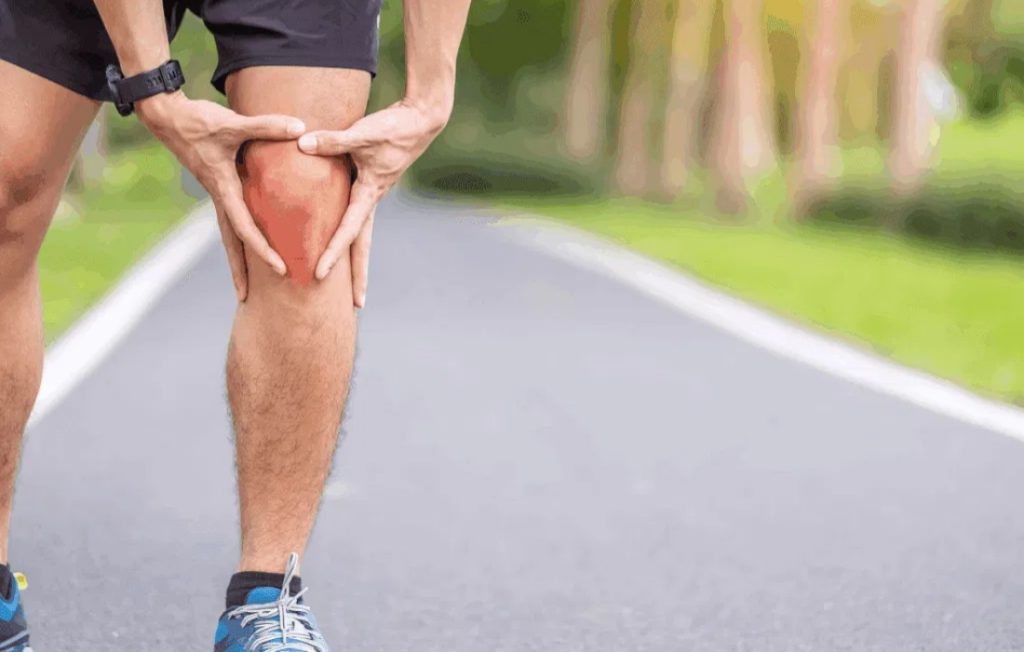
Compression is also beneficial. Using a compression bandage can help minimize swelling and provide support to the injured area. It’s important to ensure that the bandage is snug but not too tight, as overly tight compression can restrict blood flow. Elevating the injured area while resting can further reduce swelling and promote healing.
Once the initial pain and swelling subside, gradual rehabilitation becomes essential. Gentle stretching and strengthening exercises can help restore flexibility and strength to the affected muscle. Engaging in physical therapy can also be a valuable resource. A trained therapist can design a personalized program that focuses on specific exercises to aid recovery while ensuring safety.
Nutrition plays a significant role in recovery as well. Consuming a balanced diet rich in vitamins and minerals supports the body’s healing processes. Foods high in protein, such as lean meats, beans, and nuts, help repair damaged tissues. Additionally, incorporating anti-inflammatory foods like leafy greens, berries, and fatty fish can further assist in reducing inflammation and promoting recovery.
Staying hydrated is often overlooked but is crucial for muscle repair. Drinking plenty of water helps maintain optimal bodily functions and supports overall recovery. Dehydration can hinder the healing process, so keeping fluid intake high is essential during this time.
Mental health should not be neglected during recovery from a strain injury. Dealing with pain and limited mobility can be discouraging. Engaging in mindfulness practices, such as meditation or deep breathing, can help manage stress and maintain a positive outlook. Staying connected with friends and family for support can also make a significant difference in the emotional aspect of recovery.
As recovery progresses, gradually returning to regular activities is important. Rushing back into intense workouts can lead to re-injury. Instead, focusing on low-impact activities, such as walking or swimming, allows the body to regain strength without excessive strain. Listening to the body and respecting its limits can lead to a more successful return to normal activities.
Repairing strain injuries takes time and patience, but following these steps can facilitate a smoother recovery process. By prioritizing rest, utilizing ice and compression, focusing on nutrition, staying hydrated, and maintaining mental well-being, individuals can effectively recover and return to their active lifestyles stronger than before.