
Tuina, a form of traditional Chinese massage, has been around for centuries and offers a unique approach to health and wellness. This hands-on therapy focuses on balancing the body’s energy, or “qi,” and can be incredibly beneficial for both physical and mental well-being. Many people are turning to Tuina not just for relaxation, but also for addressing specific health issues.
When seeking out a Tuina practitioner, finding someone with proper training and experience is essential. Look for practitioners who have studied traditional Chinese medicine and have a solid understanding of the body’s meridians and acupressure points. A knowledgeable therapist can tailor the session to your needs, whether it’s relieving tension in the back, improving circulation, or aiding digestion.
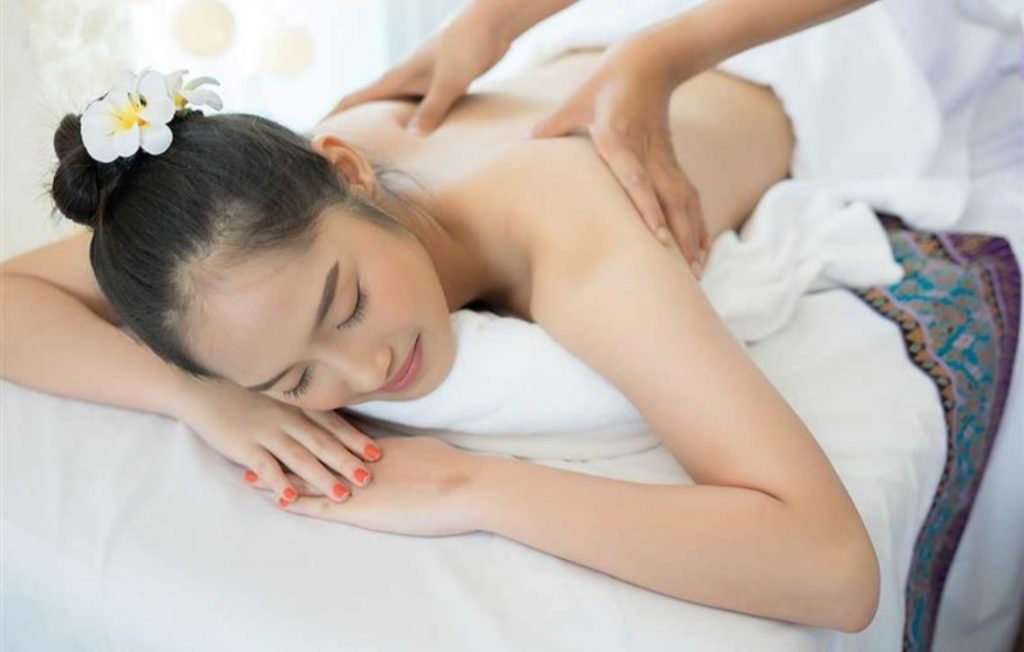
During a typical session, the therapist uses a variety of techniques, including kneading, rolling, and pressing, to stimulate the body’s energy flow. Unlike other forms of massage that may focus solely on relaxation, Tuina often targets specific areas of discomfort. Many clients report feeling a deep sense of relief after just one session, thanks to the way Tuina addresses underlying issues rather than just symptoms.
It’s also worth noting that Tuina is not just about physical touch. The therapist may offer advice on lifestyle changes, dietary recommendations, and exercises to complement the treatment. This holistic approach can enhance the overall effectiveness of the therapy, making it a more comprehensive wellness experience.
For those new to Tuina, it can feel a bit different from typical Western massage. The pressure can be more intense, and the focus on specific points might lead to some discomfort initially. However, this sensation often transitions to a feeling of deep relaxation and relief. Communicating openly with your practitioner about comfort levels is key to ensuring a positive experience.
Incorporating Tuina into your wellness routine can be a game-changer. Many people find that regular sessions help manage stress, alleviate chronic pain, and improve overall energy levels. Pairing Tuina with other self-care practices, such as yoga or meditation, can amplify its benefits, creating a well-rounded approach to health.
After a session, allowing time for your body to adjust is important. Drinking plenty of water can help flush out toxins that may be released during the massage. Taking a few moments to rest and reflect on the experience can also enhance the benefits, helping you integrate the relaxation and balance achieved during the treatment into your daily life.
Exploring Tuina can open doors to a deeper understanding of your body’s needs and how to care for them effectively. Whether it’s a one-time experience or a regular part of your routine, the benefits of this ancient practice can lead to improved health and well-being.